










ZZvibe ZZvibe
    #bookmybooking #healthylifestyle #healthysmile #online #interiordesign
    Advanced Search
  • Login
  • Register

  • Night mode
  • © 2026 ZZvibe
    About • Directory • Contact Us • Developers • Privacy Policy • Terms of Use • Refund • Child Safety Standards Policy for ZZVibe • Support System

    Select Language

  • Arabic
  • Bengali
  • Chinese
  • Croatian
  • Danish
  • Dutch
  • English
  • Filipino
  • French
  • German
  • Hebrew
  • Hindi
  • Indonesian
  • Italian
  • Japanese
  • Korean
  • Persian
  • Portuguese
  • Russian
  • Spanish
  • Swedish
  • Turkish
  • Urdu
  • Vietnamese

Watch

Watch Reels Movies

Events

Browse Events My events

Market

Latest Products

Pages

Pages Liked Pages

More

Forum Explore Popular Posts Games Jobs Offers Fundings
Reels Watch Events Market Pages See all

Discover posts

Posts

Users

Pages

Group

Market

Events

Games

Forum

Movies

Jobs

Fundings

danielfa5b danielfa5b
8 w

Что такое PUBG Mobile и почему она так популярна? PUBG UC(https://www.lootbar.com/ru/top....-up/pubg?utm_source= ) — это внутриигровая премиум-валюта, предназначенная для покупки эксклюзивных предметов, таких как скины оружия, костюмы и эмоции, а также для доступа к Боевому Пропуску.
Игроки используют PUBG UC, чтобы персонализировать своего персонажа и разблокировать уникальные награды, которые делают игровой процесс более разнообразным.
Получить PUBG UC можно через топ-ап на популярных торговых

image
Like
Comment
Share
qocsuing qocsuing
qocsuing qocsuing
8 w

When people think about color in industrial design, they often imagine paint, coatings, or digital rendering. Yet anodized aluminum occupies a different category altogether. It is not simply a surface treatment but a transformation of the metal itself, where color becomes part of the material’s identity rather than something applied on top. Over time, I’ve come to see anodized aluminum colors not just as aesthetic choices, but as quiet decisions that influence how we perceive durability, value, and even technological sophistication.To get more news about https://www.jcproto.com/new/an....odized-aluminum-colo anodized aluminum colors, you can visit jcproto.com official website.

Anodizing is an electrochemical process that thickens the natural oxide layer on aluminum. This layer is porous and can absorb dyes, which is where color enters the picture. The result is not a superficial coating that can easily peel or fade, but a finish that is integrated into the surface. This distinction matters more than it first appears. In everyday objects—from smartphone frames to architectural panels—the color is not sitting on the surface waiting to wear away; it is locked into the material’s structure. That gives anodized aluminum a sense of permanence that painted finishes rarely achieve.

The range of colors available through anodizing is both impressive and somewhat constrained at the same time. Unlike paint, which can reproduce virtually any shade, anodized colors depend heavily on chemistry, thickness, and lighting. Common tones include silver, black, champagne, bronze, gold, and various shades of blue, red, and green. However, each color behaves differently depending on how light hits it. A black anodized surface might appear deep charcoal in daylight but turn almost matte graphite indoors. This variability gives the material a subtle dynamism that I find more interesting than flat, predictable color.

In architecture, anodized aluminum is often chosen not only for appearance but for its resistance to environmental stress. Buildings clad in anodized panels retain their color for decades, even under harsh sun exposure. I’ve always found it fascinating that some of the most visually striking modern buildings rely on something so technically restrained. The colors are rarely loud; instead, they emphasize tone, reflection, and texture. Bronze and champagne finishes, for instance, can make large glass-and-metal structures feel warmer and more grounded, while silver and black create a sharper, more futuristic impression.

On a smaller scale, product designers use anodized aluminum colors to communicate identity. Think of consumer electronics—laptops, headphones, and smartphones. A deep space gray finish suggests minimalism and professionalism, while lighter silver tones feel more open and technical. These choices are rarely accidental. Companies understand that color in anodized aluminum is not decorative in a traditional sense; it is part of branding language. When done well, the color becomes inseparable from the product itself, to the point where you cannot imagine the object in any other finish.

One detail that often goes unnoticed is how anodized colors interact with touch. Unlike glossy painted surfaces, anodized aluminum tends to feel cool, slightly textured, and more “material honest.” This tactile experience reinforces the visual impression of precision and durability. I’ve noticed that people often associate anodized finishes with higher quality, even if they cannot articulate why. There is something about the way light diffuses across the surface that signals engineering rather than decoration.

However, anodized aluminum colors are not without limitations. Matching colors across batches can be difficult, especially for vibrant tones like red or blue. Slight variations in alloy composition or processing time can lead to noticeable differences. This is why large-scale architectural projects often favor more neutral colors, where minor inconsistencies are less visible. In my view, this limitation actually contributes to the material’s authenticity. It resists the idea of perfect uniformity, reminding us that industrial processes still involve subtle human and material variation.

Sustainability is another reason anodized aluminum has gained attention. Because the color is part of the oxide layer, there is no need for additional paint layers or solvent-heavy coatings. The surface is also highly recyclable, which aligns with growing environmental expectations in both construction and manufacturing. While anodizing itself requires energy and chemical control, the long lifespan of the finish reduces the need for replacement or repainting. That long-term stability is often overlooked but increasingly important in design decisions.

Ultimately, anodized aluminum colors sit at the intersection of science and aesthetics. They are not just visual outcomes but results of controlled transformation. What makes them compelling is not their brightness or variety, but their restraint. They do not shout for attention; they hold it quietly, through light, texture, and permanence. The more I observe them in daily life, the more I appreciate how much thought goes into surfaces that most people glance at without a second thought.

In a world where many materials are designed to imitate or disguise themselves, anodized aluminum does something different—it reveals its own process. The color is not added; it is grown. And that subtle distinction changes everything about how we experience it.

Like
Comment
Share
danielfa5b danielfa5b
8 w

After installation, players seeking instant resources can visit trusted game trading hubs like LootBar for a seamless Arknights: Endfield top up(https://www.lootbar.com/top-up..../arknights-endfield? ) , ensuring you’re supplied from day one on the moon.
LootBar: The Best Platform for Arknights: Endfield Recharge
If players want to top up Arknights: Endfield, they may want to consider the lootbar(https://www.lootbar.com/?utm_source=blog ) game trading platform, or simply lootbar. This

image
Like
Comment
Share
qocsuing qocsuing
qocsuing qocsuing
8 w

Shanghai is often described in superlatives, but no single phrase fully captures what it feels like to experience the city in person. As one of the most dynamic urban centers in the world, Shanghai exists in a constant state of transformation—never quite finished, always adjusting itself to the next stage of modern life. What stands out most is not just its skyline or economic power, but the layered coexistence of different worlds within the same streets.To get more news about https://www.meet-in-shanghai.net/ shanghai the city, you can visit meet-in-shanghai.net official website.

The first impression most people get from Shanghai is its skyline. In Pudong, glass towers rise like engineered statements of ambition. The Oriental Pearl Tower and surrounding financial district feel almost futuristic, especially at night when the buildings reflect across the Huangpu River. Yet just across the water in Puxi, older neighborhoods still preserve narrow lanes, traditional shikumen houses, and small shops that have existed for decades. This contrast is not accidental; it is the essence of the city itself. Shanghai does not replace its past—it builds around it.

Walking through the streets, the rhythm of the city becomes more nuanced. In the early morning, elderly residents practice tai chi in parks while delivery riders weave through traffic with quiet urgency. Cafés open slowly, often blending Western aesthetics with local habits, where espresso machines sit beside tea culture rather than replacing it. There is a sense that time operates differently here—not slower or faster, but layered, as if multiple timelines overlap.

One of the most striking aspects of Shanghai is how international it feels without losing its identity. Global brands, international schools, and multinational offices are deeply integrated into daily life. Yet the city does not feel like a copy of anywhere else. Local cuisine remains dominant in everyday routines, from breakfast dumplings to late-night noodle shops that stay open long after corporate offices go dark. The balance between global influence and local continuity is carefully maintained, even if unintentionally.

Transportation is another defining feature. The metro system is vast, efficient, and remarkably easy to navigate for a city of its scale. Commuting can take you from ultra-modern business districts to older residential zones in under an hour. Despite the speed, there is an underlying order to it all. Even in rush hour, when platforms are crowded, there is a kind of collective discipline that keeps the system functioning smoothly.

What I find most compelling, however, is the emotional texture of Shanghai. Many global cities feel like either business hubs or cultural centers, but Shanghai blends both with an added sense of ambition. People come here not only to work but to change their lives. That ambition is visible everywhere—from young professionals building careers in finance and tech to artists experimenting in converted warehouses.

At the same time, Shanghai can feel strangely quiet in unexpected moments. Early mornings along the Bund, before tourists arrive, the river moves slowly, and the city feels almost reflective. In older neighborhoods, laundry hangs between buildings, and conversations drift through open windows. These small, ordinary scenes counterbalance the city’s reputation for speed and intensity.

Food also plays a central role in shaping the experience of Shanghai. Local dishes are often subtle rather than overpowering, focusing on texture and balance. Soup dumplings, scallion oil noodles, and freshwater crab are not just meals but expressions of regional identity. Eating in Shanghai is less about spectacle and more about consistency—flavors that feel familiar even on the first encounter.

What makes Shanghai especially interesting is its sense of direction. Unlike cities that feel anchored to a single historical identity, Shanghai is forward-looking by nature. It continuously reinvents itself, sometimes at the cost of erasing older layers, but often by integrating them into something new. This ongoing negotiation between preservation and progress gives the city its unique energy.

For visitors, Shanghai can initially feel overwhelming. The scale is large, the pace is fast, and the variety of experiences is wide. But over time, patterns begin to emerge. You start to recognize the rhythm of neighborhoods, the differences between morning and night culture, and the subtle ways people navigate shared urban space. What once felt chaotic begins to feel structured.

Ultimately, Shanghai is not a city that reveals itself immediately. It requires time, attention, and repeated observation. The more you engage with it, the more it shifts from being a skyline or destination to something more personal—a place defined by everyday interactions, small discoveries, and unexpected contrasts. It is this layered complexity that makes Shanghai not only one of the most important cities in the world, but also one of the most memorable to experience.

Like
Comment
Share
danielfa5b danielfa5b
8 w

About the Black Myth: Wukong Steam and Steam ReView Black Myth: Wukong(https://www.lootbar.com/game-k....ey/black-myth-wukong ) casts players as the Destined One on a punishing pilgrimage through a fractured realm where ancient magic and dread intertwine.
Every encounter fuses fluid staff combos with on-the-fly spell combos, forging a personal cadence that rewards bold experimentation with weapon stances and mystic arts.
Steam reviews celebrate the grandiose, cinematic boss clashes a

image
Like
Comment
Share
qocsuing qocsuing
qocsuing qocsuing
8 w

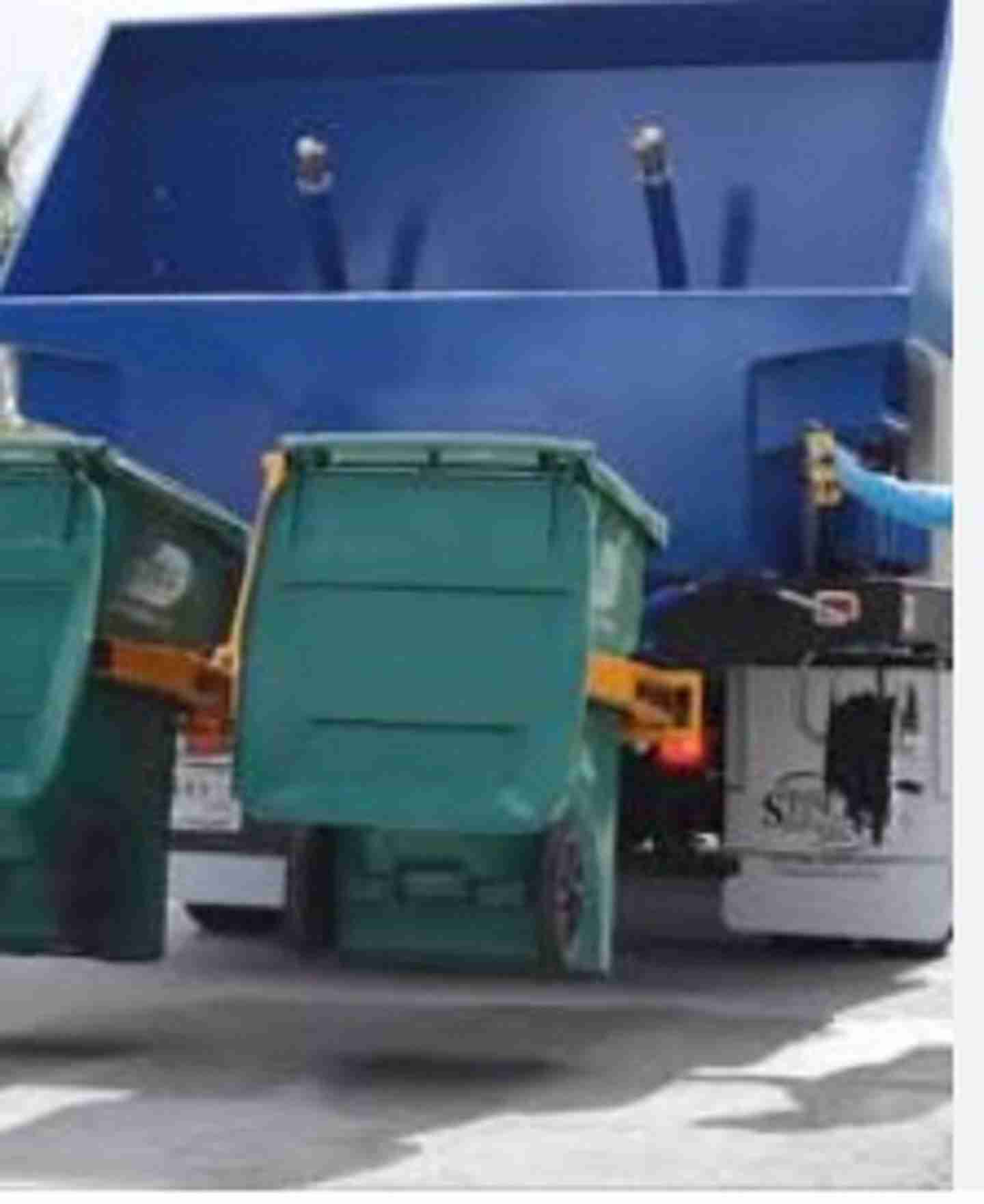
Every day, millions of tons of waste are generated around the world. From household garbage and food scraps to industrial byproducts and construction debris, solid waste has become an unavoidable part of modern life. As populations grow and urbanization accelerates, the challenge of managing waste efficiently is becoming increasingly complex. In my view, solid waste management is no longer just a sanitation issue; it is a critical component of environmental protection, public health, and sustainable development.To get more news about https://en.shsus.com/innovatio....n/solid-waste-scient Waste Management, you can visit en.shsus.com official website.

Solid waste management refers to the collection, transportation, treatment, recycling, and disposal of waste materials. While the concept may seem straightforward, the actual process involves extensive planning, infrastructure, technology, and public participation. A well-designed waste management system can significantly reduce environmental pollution, conserve natural resources, and improve the quality of life for communities.

One of the most visible benefits of effective solid waste management is the improvement of public health. Improperly disposed waste can attract rodents, insects, and other disease-carrying pests. In many developing regions, unmanaged waste piles create breeding grounds for mosquitoes and bacteria, increasing the risk of infections and disease outbreaks. Clean streets, organized waste collection systems, and sanitary disposal facilities contribute directly to healthier living environments. Whenever I visit cities with efficient waste management programs, the difference is immediately noticeable. Streets appear cleaner, unpleasant odors are minimized, and residents generally enjoy a higher standard of living.

Environmental protection is another major reason why solid waste management deserves attention. Landfills remain one of the most common disposal methods worldwide, but poorly managed landfills can contaminate soil and groundwater through leachate. Additionally, decomposing organic waste releases methane, a greenhouse gas that contributes significantly to climate change. By implementing recycling programs, composting initiatives, and waste-to-energy technologies, municipalities can reduce the amount of waste sent to landfills and lower their environmental footprint.

Recycling plays a particularly important role in modern waste management strategies. Materials such as paper, plastic, glass, and metals can often be processed and reused, reducing the demand for virgin raw materials. This not only conserves natural resources but also saves energy during manufacturing. For example, producing aluminum from recycled materials requires significantly less energy than extracting and refining new aluminum from ore. In my opinion, recycling should be viewed not merely as an environmental responsibility but also as an economic opportunity that supports sustainable industries and job creation.

Despite the clear advantages, many regions still face substantial challenges in managing solid waste effectively. Rapid urban growth often overwhelms existing waste collection systems. In some cities, infrastructure development cannot keep pace with population increases, resulting in overflowing bins and illegal dumping. Financial constraints further complicate the situation, especially in municipalities with limited budgets. Waste management facilities require significant investment, and maintaining them over the long term can be costly.

Public awareness and behavior also play a crucial role. Even the most advanced waste management system can struggle if residents do not participate responsibly. Improper sorting of recyclable materials, littering, and excessive consumption contribute to waste-related problems. Education campaigns can help communities understand the environmental and economic benefits of reducing waste. I believe that creating a culture of responsibility begins with simple daily habits, such as separating recyclables, minimizing single-use plastics, and choosing products with sustainable packaging.

Technology is increasingly transforming the waste management industry. Smart waste bins equipped with sensors can monitor fill levels and optimize collection routes. Artificial intelligence can assist in sorting recyclable materials more accurately and efficiently than traditional methods. Some cities are even exploring automated waste collection systems that reduce labor requirements and operational costs. These innovations demonstrate how technology can improve efficiency while supporting environmental goals.

Another promising trend is the adoption of circular economy principles. Instead of viewing waste as a problem to be discarded, the circular economy treats waste as a valuable resource. Products are designed for durability, reuse, repair, and recycling. This approach minimizes resource extraction and reduces the overall volume of waste entering disposal systems. In many ways, the future of solid waste management will depend on how successfully societies transition from a linear “take, make, dispose” model to a more circular and sustainable framework.

Looking ahead, governments, businesses, and individuals must work together to address the growing waste challenge. Policymakers can establish regulations that encourage recycling and sustainable product design. Businesses can invest in environmentally friendly packaging and production methods. Consumers can make conscious purchasing decisions that generate less waste. No single solution will solve the problem entirely, but collective action can produce meaningful results.

In conclusion, solid waste management is far more than a logistical necessity. It influences public health, environmental quality, resource conservation, and economic sustainability. As global waste generation continues to increase, investing in efficient waste management systems and fostering responsible behaviors will become even more important. From my perspective, the most successful communities of the future will be those that recognize waste not as an inevitable burden, but as an opportunity to create cleaner, healthier, and more sustainable environments for everyone.

Like
Comment
Share
qocsuing qocsuing
qocsuing qocsuing
8 w

Shanghai’s coffee scene has grown so quickly and so confidently that it now feels like a defining part of the city’s personality. What once belonged mostly to international chains has transformed into a landscape of independent roasters, creative baristas, and cafés that feel like small worlds of their own. When I think about the best coffee in Shanghai, I don’t think of a single shop or a single cup—I think of a mosaic of experiences scattered across the city, each offering its own flavor of comfort, ambition, or surprise.To get more news about https://www.citynewsservice.cn..../service/A-coffee-lo best coffee in shanghai, you can visit citynewsservice.cn official website.

One of the first places that shaped my understanding of Shanghai’s coffee culture was a tiny roastery tucked into a quiet lane near the Former French Concession. The shop had only three tables, and the air was always thick with the scent of freshly ground beans. The barista, a soft‑spoken man with a habit of weighing every gram twice, once told me that coffee in Shanghai wasn’t just a drink—it was a way for people to slow down in a city that rarely stops. That idea stayed with me. Every time I returned, I noticed how customers lingered over their cups, reading, sketching, or simply watching the world outside the window. It felt like a sanctuary carved out of the city’s relentless rhythm.

But Shanghai’s best coffee isn’t limited to quiet corners. Some of the most memorable cups I’ve had were in cafés that buzzed with energy. In Jing’an, for example, there’s a café that feels like a creative studio disguised as a coffee shop. The walls are covered with rotating art exhibitions, and the tables are often filled with designers tapping away on laptops. Their flat white is rich and velvety, but what I remember most is the atmosphere—a sense that ideas were being brewed alongside the espresso. It’s the kind of place where you walk in for caffeine and walk out with inspiration.

Then there are the specialty cafés that treat coffee like a science. In Pudong, I once visited a minimalist shop where the baristas wore lab‑style aprons and brewed each cup with the precision of chemists. They offered tasting flights that compared beans from Ethiopia, Colombia, and Yunnan, each brewed using different methods. I still remember the citrusy brightness of the Ethiopian pour‑over and how the barista explained the roasting curve as if he were describing a piece of music. It was coffee as education, and I loved every minute of it.

Of course, coffee in Shanghai isn’t only about technique or aesthetics—it’s also about emotion. One rainy afternoon, I ducked into a café near Xintiandi simply to escape the downpour. The place was warm, dimly lit, and filled with the soft hum of conversation. I ordered a cappuccino and sat by the window, watching umbrellas drift past like slow‑moving lanterns. The coffee itself was excellent—smooth, balanced, comforting—but what made the moment unforgettable was the feeling of being sheltered, of finding warmth in a city that can sometimes feel overwhelming. That café became my go‑to refuge on stormy days.

What makes Shanghai’s coffee culture so compelling is its diversity. You can find Nordic‑style light roasts that sparkle with acidity, deep and chocolatey blends perfect for a morning pick‑me‑up, and experimental drinks infused with osmanthus, black sesame, or even baijiu. Some cafés lean into Shanghai’s heritage, blending local flavors with global techniques. Others push boundaries with futuristic brewing equipment and avant‑garde presentations. The city doesn’t just adopt global coffee trends—it transforms them, giving them a distinctly Shanghai character.

Another layer of the experience is the people. Baristas in Shanghai often carry a sense of pride and artistry that elevates every cup. I’ve had conversations about bean origins, roasting philosophies, and even the emotional tone of different brewing methods. These exchanges make the coffee feel personal, as if each cup carries a story. And in a way, it does. Every café reflects the dreams of the people who built it, and every cup reflects the care of the person who brewed it.

As I look back on my journey through Shanghai’s coffee scene, I realize that the best coffee isn’t defined by a single flavor profile or brewing method. It’s defined by the moments it creates—the quiet mornings, the creative afternoons, the rainy‑day refuges, the unexpected conversations. Coffee becomes a lens through which the city reveals itself: vibrant, ambitious, layered, and endlessly evolving.

So when someone asks me where to find the best coffee in Shanghai, I don’t give them a single name. Instead, I tell them to wander. To follow the aroma drifting from a side street. To step into a café that feels inviting. To let the city guide them from one cup to the next. Because the best coffee in Shanghai isn’t just a drink—it’s an experience shaped by the city’s pulse, its people, and the stories waiting to be discovered in every sip.

Like
Comment
Share
danielfa5b danielfa5b
8 w

Le Cristal primaire(https://www.lootbar.com/fr/top....-up/genshin-impact?u ) est la devise premium de Genshin Impact, utilisée pour acheter des vœux et des ressources exclusives.
Vous pouvez l'obtenir en rechargeant votre compte sur des plateformes de trading comme PlayerAuctions ou G2G.
Ces sites proposent divers packs de Cristal primaire pour accélérer votre progression.
Le Cristal primaire est crucial pour invoquer de nouveaux personnages et armes.
Recharger les cristaux primaires s

image
Like
Comment
Share
danielfa5b danielfa5b
8 w

To conveniently obtain Lunites, gamers can utilize Wuthering Waves top up(https://www.lootbar.com/top-up..../wuthering-waves?utm ) services available on popular trading platforms such as Codashop, UniPin, and Midasbuy.
These platforms offer quick and secure transactions, making it easy for players to get Lunites and enjoy the full features of the game.
Wuthering Waves top up on LootBar
For players seeking to top up Wuthering Waves(https://www.lootbar.com/top-up..../wuthering-waves?utm

image
Like
Comment
Share
Simona Maghen
Simona Maghen
8 w

Sleeveless Spring Dresses and the New Logic of Getting Dressed

Spring dressing has always been understood as seasonal behavior. The weather softens, the wardrobe shifts, and the sleeveless spring dress reappears as a reliable fixture. But something more layered is happening beneath that surface rhythm, and most fashion commentary has been too occupied with trend announcements to notice it.

Website: https://simonamaghen.livejournal.com/746.html

Like
Comment
Share
Showing 250 out of 2526
  • 246
  • 247
  • 248
  • 249
  • 250
  • 251
  • 252
  • 253
  • 254
  • 255
  • 256
  • 257
  • 258
  • 259
  • 260
  • 261
  • 262
  • 263
  • 264
  • 265

Edit Offer

Add tier


Select an image
Delete your tier
Are you sure you want to delete this tier?

Reviews

In order to sell your content and posts, start by creating a few packages. Monetization

Pay By Wallet

Payment Alert

You are about to purchase the items, do you want to proceed?

Request a Refund